
Teamwork can be developed in a variety of venues and situations, like in Eventus’s own team building events all around London. Our outdoor London Treasure Hunts and our tablet-based version of Urban Race London are very popular. These activities notwithstanding, we all can learn something about teamwork in a variety of different ways, like watching the England football team in action.

That’s right. Watching the England football team can teach us all about teamwork. Their recent success, in fact, can be attributed in large part to being such a cohesive unit. But before we go any further, we’ll make something clear: We’re not talking about that football team which marched to the semi-finals of last year’s FIFA World Cup. We’re talking about the other squad, the one that finished third in the 2015 FIFA Women’s World Cup.
The Lionesses are seriously talented, and that’s a big reason why they look ready to improve upon their third-place finish in 2015, come June and July this year, when the Women’s World Cup will be held in France. They already won the SheBelieves Cup earlier this year, beating Japan 3-0. Throughout the tournament, the Lionesses were applauded for their collective spirit. Under the tutelage of ex-England full back Phil Neville the team seem to have a newfound belief. And Neville’s focus on bringing the team closer together, and operating as one cohesive unit seems to paying dividends.

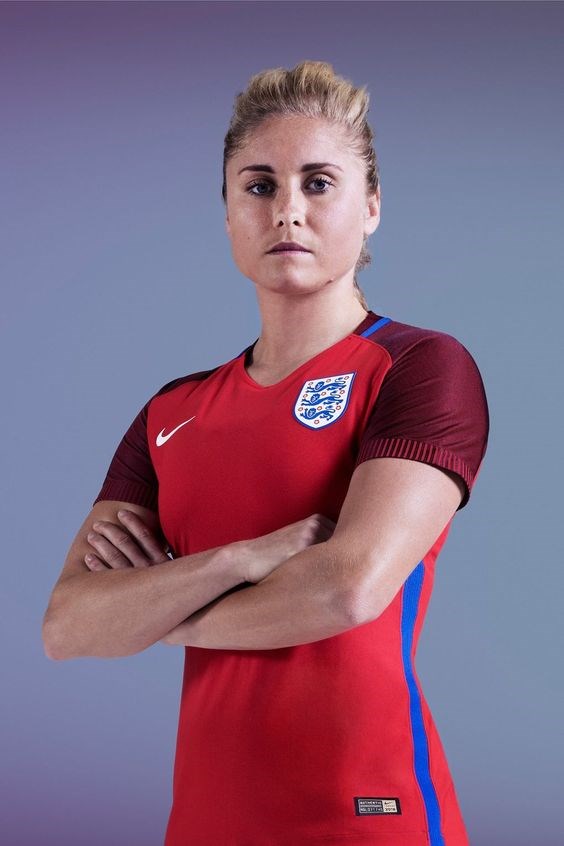
It’s good to have a singular talent, and the women’s team have it in the spectacular Steph Houghton. But that kind of talent is no guarantee to success. What is a recipe for success is teamwork, and players stepping up on a consistent basis. Case in point was the SheBelieves Cup, which England winning despite having a weakened midfield missing the services of the injured Jordan Nobbs and Izzy Christiansen. Lucy Bronze and Keira Walsh ably filled the void, with forwards Ellen White, Fran Kirby, Jodie Taylor, Nikita Parris, Beth Mead, Chioma Ubogagu, and Toni Duggan all chipping in. Now, Neville will have to make difficult choices regarding the team’s World Cup lineup; at the very least, though, he knows that whoever he picks will contribute to the team’s cause.
Neville has arguably pushed all the right buttons. But we’ll not delve into his tactical approaches in this article. Instead, we’ll highlight what he has done behind the scenes, which leads us to lesson number 2: Leadership is key. The fact that the Lionesses are a united, hard-playing bunch is as much a credit to Neville’s leadership, which has clearly united this team. Neville admitted as much after the team sealed its World Cup spot last year, with The Independent reporting about the special bond he has formed with his players. “I’m seven months into the job and I think we’ve got a special bond,” Neville said. “Nights like this test that bond and I think we’ve come through it.”
Next lesson: Communication is important. Part of the reason why the women’s team have grown so close together is Neville’s openness when it comes to communication between the players and coach, and amongst the group as a collective. The BBC reveals that Neville has set up WhatsApp chat groups with all his players as part of his effort to know everything he can about them. It is a gesture that is very much appreciated, with Nobbs noting how fluid communication with Neville is helping develop relationships. The result, according to the midfielder is a “strong team on and off the pitch.”
Finally, it is clear that this team is playing with a carefree attitude that is translating to positive results. They have a fluid style of play, oblivious to the pressure that comes with representing their nation. That carefree attitude reflects the team’s youthfulness, and showcases another lesson: Provide opportunities for all players to contribute. There is often a reticence on the part of the so-called “old guard” to give inexperienced players a chance. But Neville has bucked convention by giving England’s young players the chance to shine, and ultimately grow as players. After all how else will they get better? The aforementioned Walsh, Leah Williamson, Georgia Stanway, and Beth Mead are just some of the young blood that Neville has helped develop in international football, and they have rewarded their manager.
Clearly, the England football team have come a long way since 2014, when they lost 3-0 to Germany in a friendly. Although it was a poor result, over 45,000 fans turned up to Wembley to see them play — in stark contrast to the men’s team who over the last 5 years have been struggling to fill the stadium for their international matches. Prior to Tottenham moving into their new stadium, Wembley was being used for Spurs’ Premier League home fixtures. The hope was that this would bring much needed revenue to the FA that they were losing out on due to the men’s team’s poor ticket sales. And while the men’s team is seeing a resurgence under Gareth Southgate, you could certainly argue that Neville’s team is still the hottest ticket in town.
All in all, the Lionesses are proving that the collective matters most. They are a classic example of a team that is greater than the sum of its parts. They are succeeding because everyone is contributing something, and the lines of communication are kept open. That’s how you build a winning team – by creating a culture that values both teamwork and communication. And if you are ready to instill that culture into your own team, contact Eventus now. We’ll all work together, and before long, your team will be like the Lionesses.
Feature specially prepared for eventus.co.uk
Prepared by: JBagley